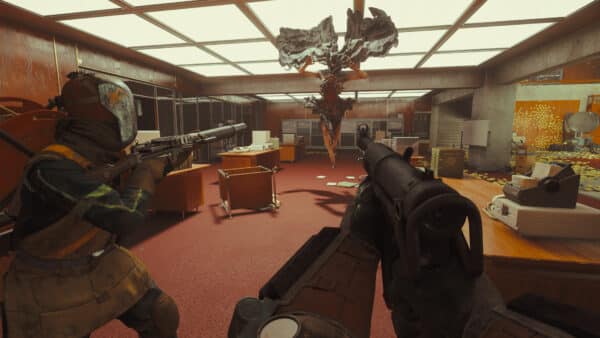
FBC: Firebreak Hands-On Preview – In Control
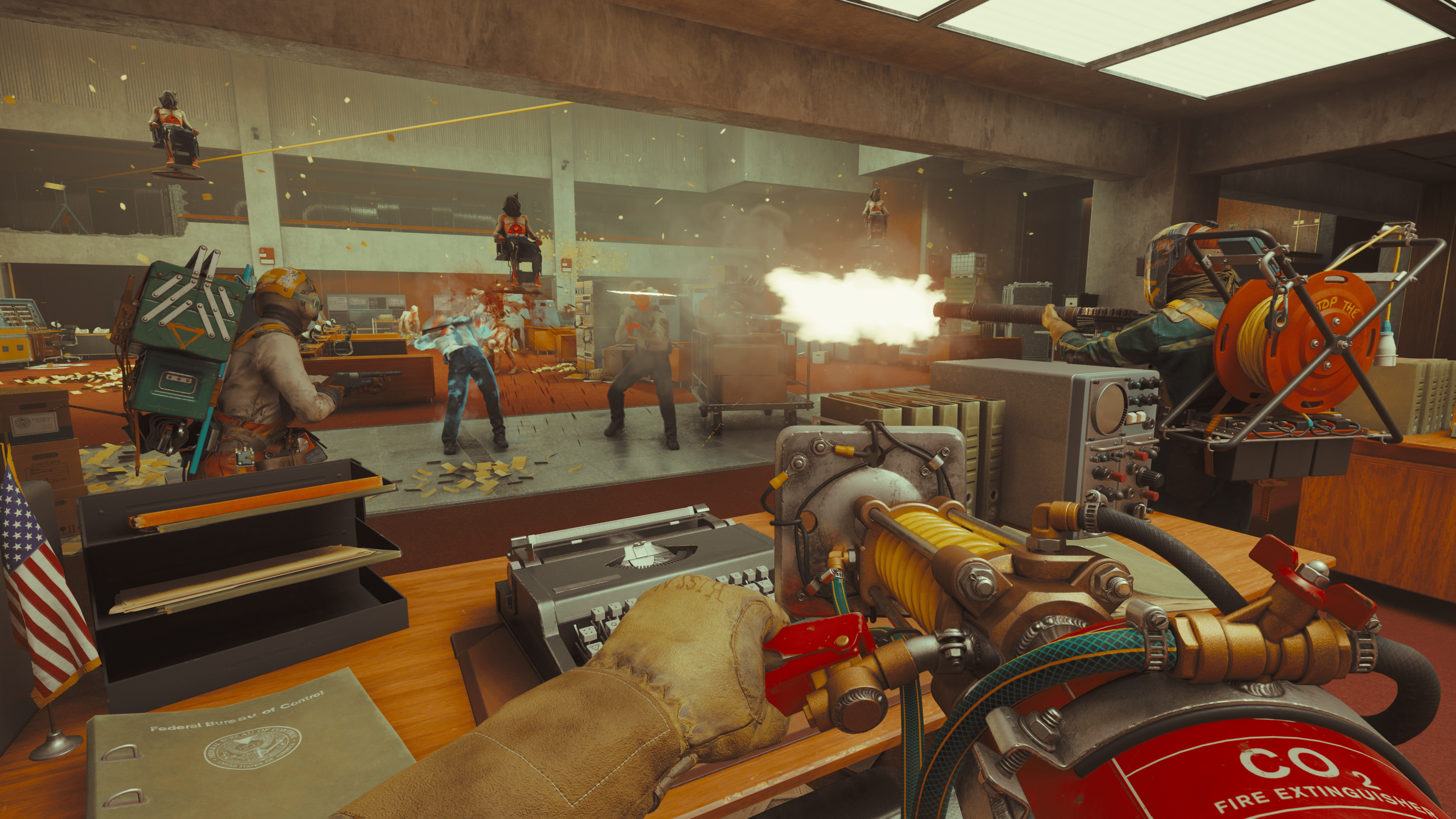
While Remedy Entertainment is known for narrative-driven games like the Alan Wake franchise and Control, the studio is branching out with its first multiplayer-focused game FBC: Firebreak due out soon.
The studio invited select press and content creators to get some early hands-on time to check out the game’s mechanics, its feel, and how it’s shaping up overall. If you’re wondering just what FBC: Firebreak is all about, we’re here to enlighten you, and give an idea what kind of game Remedy is cooking up.
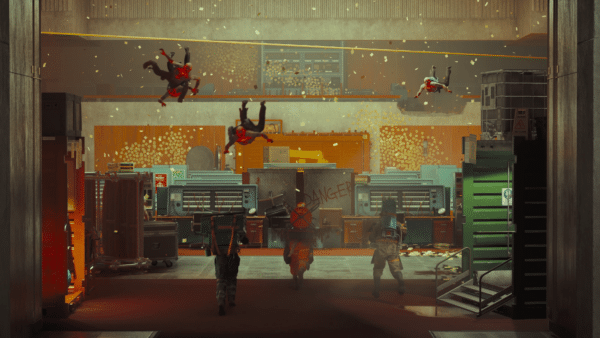
Control’s Weirdness, Left 4 Dead’s Panic—Welcome to FBC: Firebreak
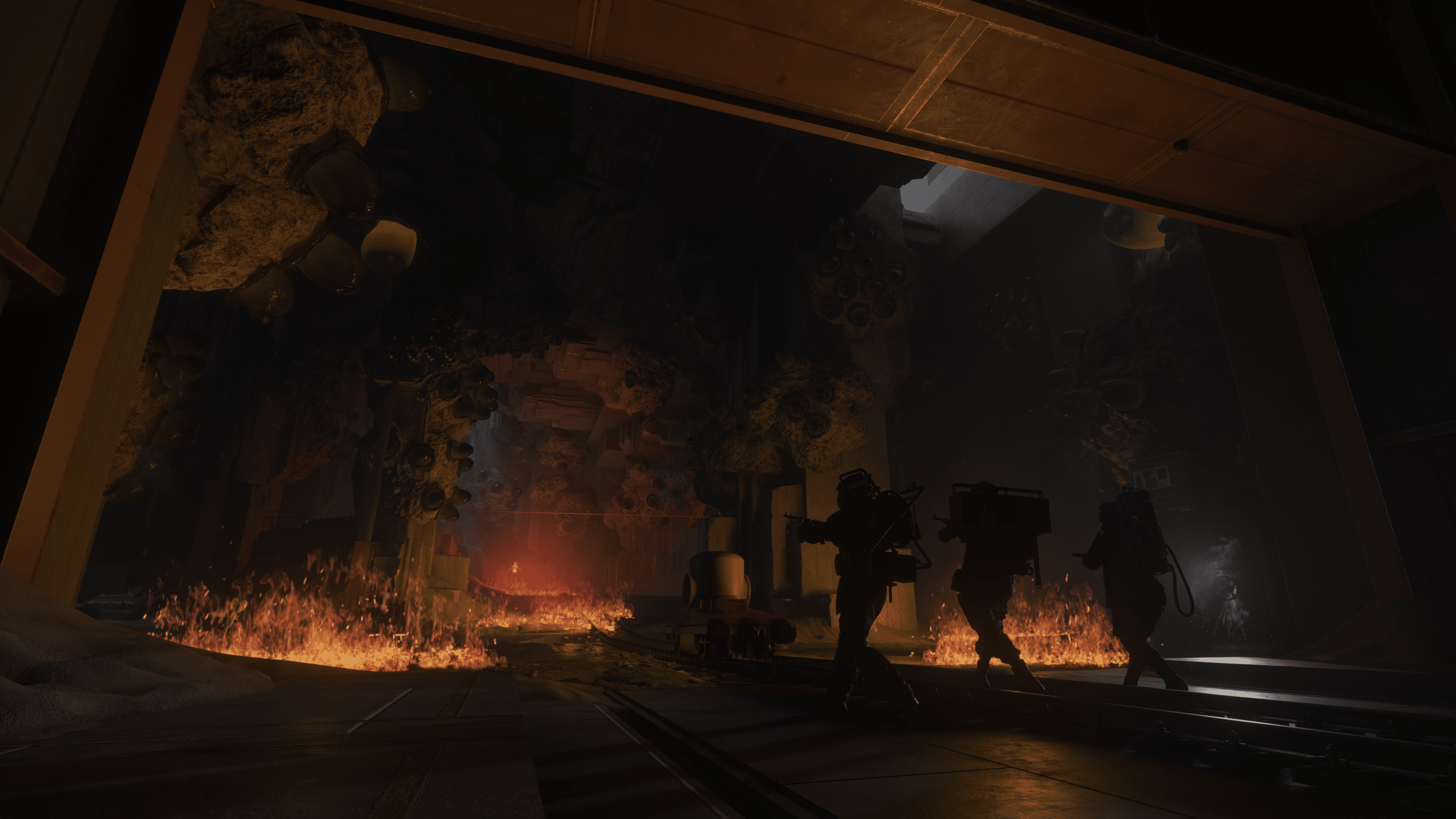
You know, the idea of a studio that has been known for its single-player games, leaping into the multiplayer market, is an idea that is often viewed with skepticism. Fans naturally worry that the studio might lose what made their previous games so special—strong narratives, carefully crafted worlds, and memorable characters—in favor of chasing broader trends or short-term engagement. And while that fear isn’t entirely unfounded, what Remedy has done with FBC: Firebreak shows that a studio can bring its identity into a completely different genre without sacrificing what makes it unique.
So the question many of you may have is, what exactly is FBC: Firebreak? If you haven’t seen Remedy’s first look video at the game from many months ago, I strongly suggest doing so. But to keep things short, FBC: Firebreak is a new cooperative game set in Remedy’s Control universe. Taking place many years after the events of Control, the Oldest House (Federal Bureau of Control headquarters) has been under lockdown as a countermeasure to keep the Hiss, an extra-dimensional being, from escaping and destroying the world. But the Hiss wasn’t the only thing trapped inside the Oldest House, as members of the FBC, non-employees, and several bystanders also got trapped inside.
Over the years since the lockdown, things have become dire as resources become scarcer each passing day. In hopes of finally lifting the lockdown, a new team, dubbed the Firebreak, is formed to drive back the Hiss and take control of the Oldest House once more.
That’s the gist of things in FBC: Firebreak, and honestly, about as much story as you can expect. The reason is that, despite being set in the Control universe and in some ways a continuation, FBC: Firebreak can and should be seen as a completely standalone experience. No prior knowledge of Control or Alan Wake games is needed. I highly recommend them because they’re spectacular games, but you don’t need to know much of the story outside of the setup to understand what FBC: Firebreak is about. All you have to know is that it’s you and some friends (or randoms) against hordes of supernatural beings. FBC: Firebreak is a cooperative shooter that plays to the tune of Left 4 Dead, but if Remedy made it instead.
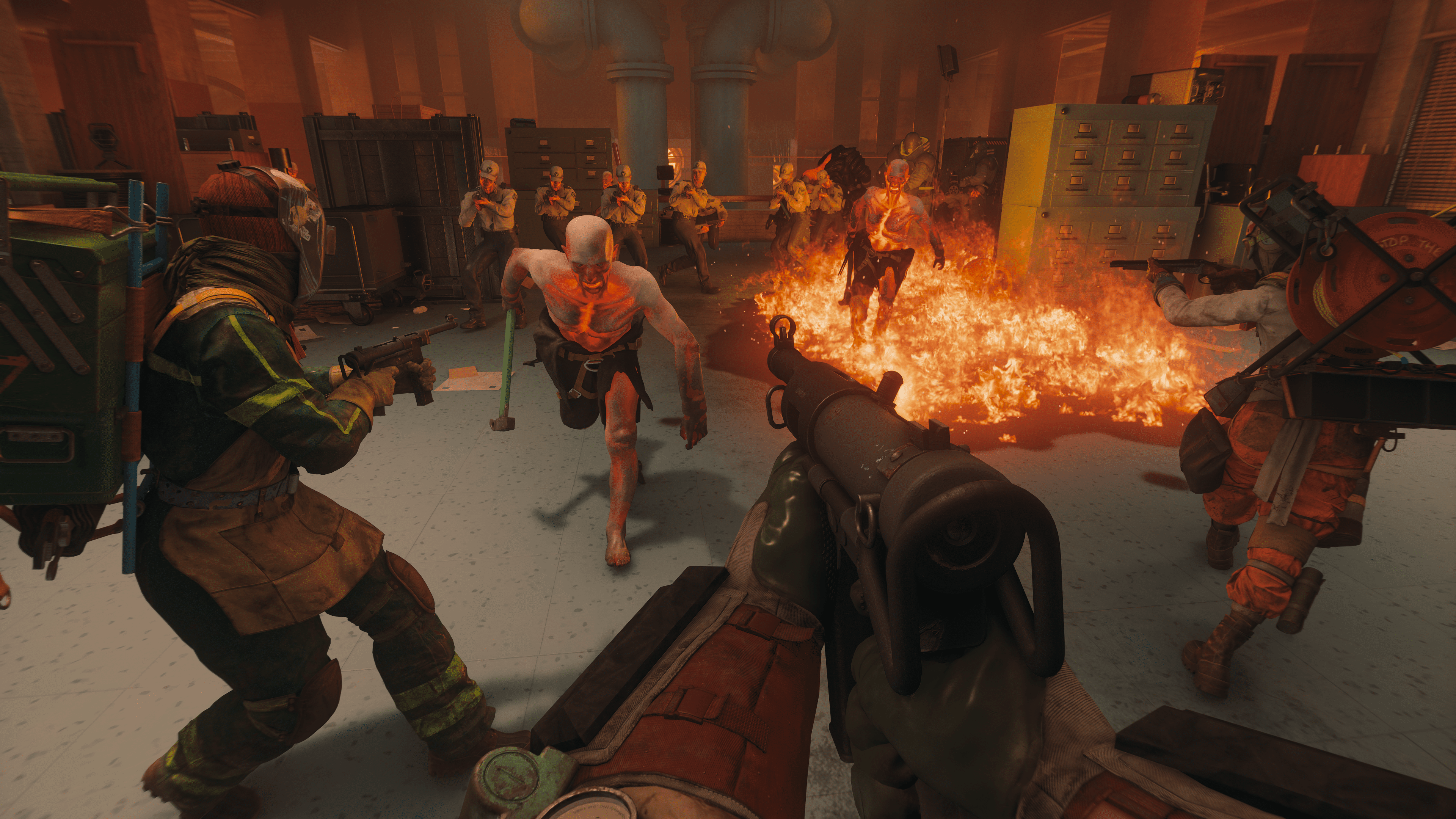
At its core, FBC: Firebreak is all about surviving together in the bizarre, shifting spaces of the Oldest House. If you’ve played Control, you already know how unsettling and unpredictable that environment can be, which does come with progression through a job, essentially missions, that players undertake. Players will have to work together, and if you don’t go in correctly equipped, it could mean total disaster for a run. FBC: Firebreak doesn’t limit players in what guns they can use, though it does have something called Crisis Kits, which in many ways are unique classes built for this game.
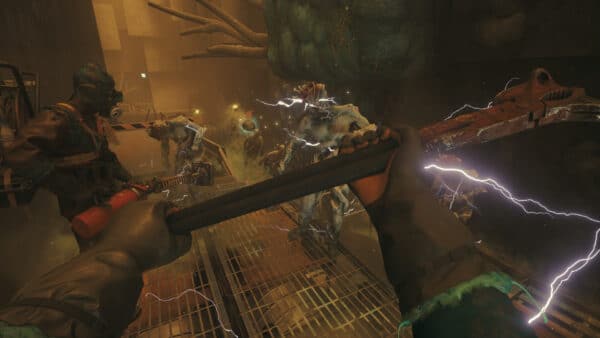
Jump, Fix, and Splash kits are the available kits for launch, each of them having three types of tools. Some focus on healing and using turrets, while others apply status effects, and even power up generators from a distance so that you don’t have to do it manually. Regardless of the tools, they do seem to be fitted in a way that promotes synergy. For example, when using the splash kit, you can wet everything, making it conductive to the Jump kit’s electric firing. Using this combo on enemies can easily stun them, and when you have a horde of them coming for you, it’s important to be able to slow them down anyway you can.
The general gunplay feels pretty good too, and the game has a whole perk system that allows you to apply certain buffs and such, such as a chance to apply freeze when firing and other elemental effects. Because we only had access to about three hours of gametime, we didn’t get a chance to see every available perk, but it did become pretty clear that progression and unlocking perks would be an important, as we tried jumping into the higher difficulty jobs, only to get our asses kicked. It was not until later, after having more perks and abilities unlocked, that we actually managed to beat that specific difficulty level.
In addition to perk progression, there’s something called Requisitions. It’s essentially a battle pass, which comes in both free and paid versions, and functions like Warbonds from Helldivers 2. I would say they’re much more generous as rounds are far shorter, and collecting the free in-game currency to unlock tiers in these passes is very easy. It does come with a challenge, though, as often you’ll find these currencies in shelter rooms. Upon opening one, you’ll be able to pick up a bunch of classified documents, which translate to currency, but this comes with the added risk of summoning a bunch of Hiss enemies. When it comes to higher difficulties, it becomes a risk versus reward situation, as your chances of survival drop drastically, and dying means you lose out on these rewards unless you or a teammate picks up the currency before completing a job.
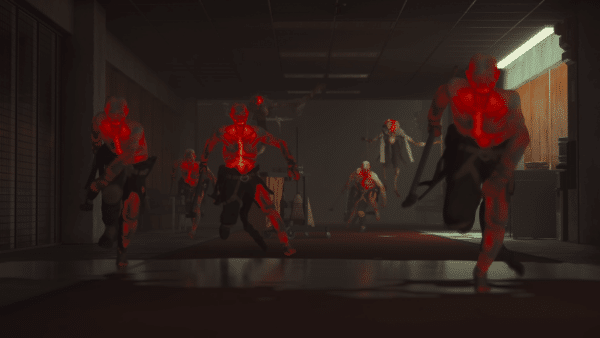
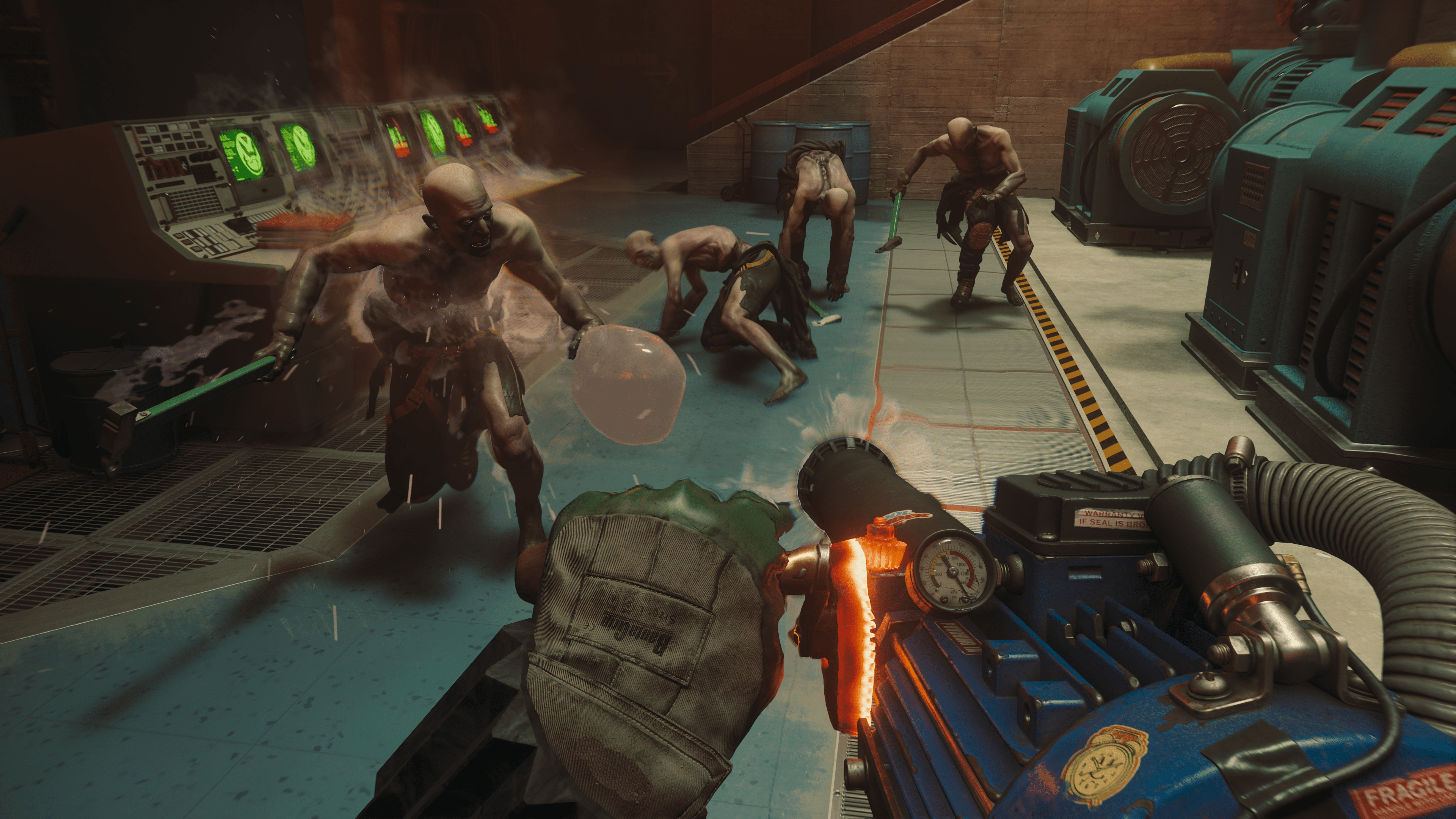
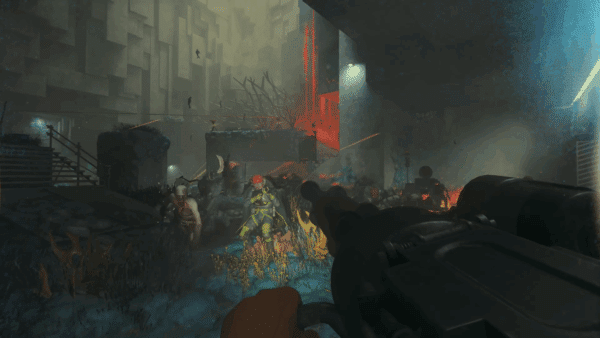
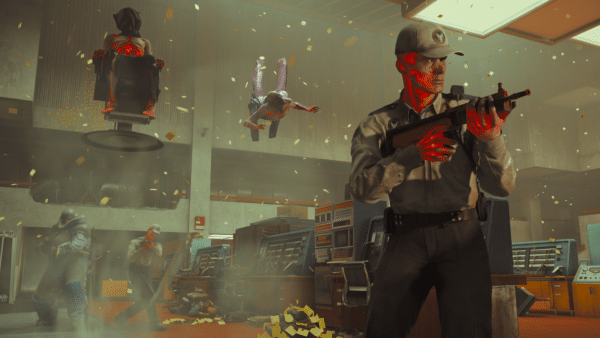
Jobs is the name of what missions are called, and at launch, there will be five different types of jobs to play through, with more coming later as free updates. We had the chance to play through three of them, but their general flow boiled down to going into the level, killing a swarm of enemies, while trying to complete objectives, then, with you needing to extract out via the elevator you used to get there. Sure, jobs will vary in objectives, such as fixing generators and fans around a map, escorting some sort of payload to a spot, or tracking down a giant posted note monster. But in between that, it’s all about facing the horde, and with this being a Remedy game, you can expect some pretty interesting enemies that come in all kinds of variety. Many of them are from control, but there are some new ones like the posted note monster, and humanoid versions of it that will at times play dead, only to explode and cover you in posted notes for Hiss enemies to take you down.
Where the fun mainly comes in is just the fact of playing, even more so with friends, and going up against what feels like an infinite army of enemies. Beating those odds, overcoming the challenges that can be had, and having a successful run all-clicks in Firebreak, I couldn’t wait to get back into the action after having progressed to test out newly unlocked tools and perks. It does seem like a pretty straightforward game, nothing that will shift the paradigm of the genre by any means, but given this is Remedy’s first foray into the multiplayer space, FBC: Firebreak is off to a great start. At least for the most part, because there is one area that I do think Remedy should improve on.
The One Major Design That Could Make or Break FBC: Firebreak
In general, my impression of FBC: Firebreak is pretty positive, and I’m surprised by what Remedy has managed to create for a genre they’re entirely new to. What essentially feels like an old-school shooter, in line with, say, Left 4 Dead, FBC: Firebreak is looking to be a very promising game, though there is one mechanic that I do feel Remedy has to address before launch.
Technically, there are two, but the big one, in my opinion, is how ammo works. Given the type of game that FBC: Firebreak is, ammo is an essential resource. However, it’s treated in the game as if it’s supposed to be a survival-type game (like DayZ, or even an extraction shooter), where ammo and other resources come in so little that you have to keep track and ensure something is worth shooting at. The problem is, you don’t get given that choice, as enemies nearly endlessly home in on you in the masses. So you’re going to run out of ammo stupendously quickly, and I mean minutes after a match starts.
The solution to getting more ammo is a pretty puzzling one. During our playtest, we only saw that we could either use an ammunition station, which were typically near the start of levels or checkpoints into the next part of one, or find them on the ground in shelter rooms. There are only a few rounds in the shelter rooms, certainly not enough to share between three players. On top of this, when you open these rooms, hordes of enemies begin spawning. So the ammo you do pick up is probably going to be depleted right away.
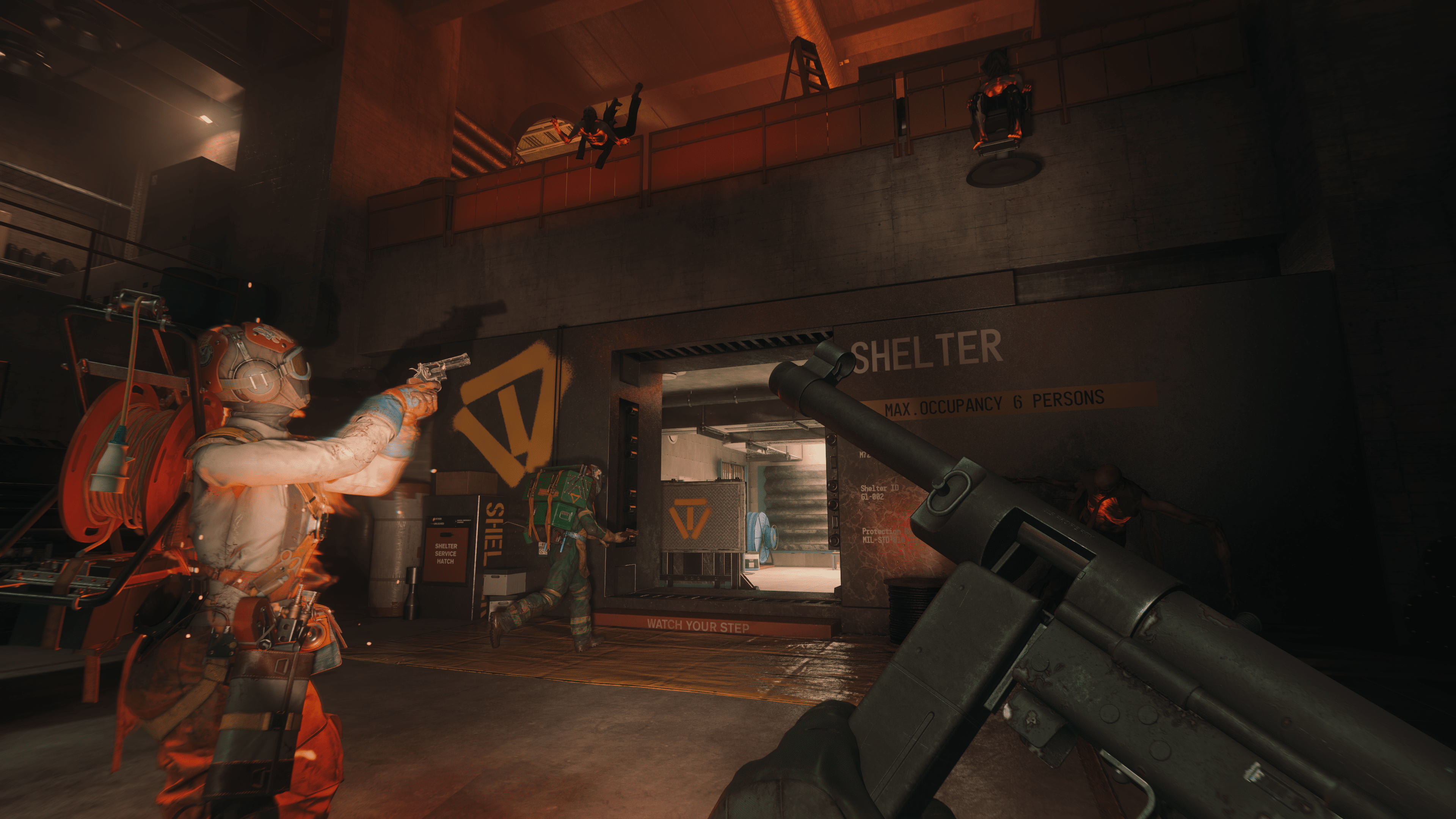
Ammunition stations have their problems, as while they’re infinite as long as they’re charged, they create an odd loop of gameplay. You encounter a group of enemies, run out of ammo, and more enemies spawn. You rush back to the station, grab ammo, kill some enemies, run out again, more enemies, and rinse and repeat. There’s an over-reliance on a mechanic that I think is holding back a much bigger experience.
This over-reliance became even clearer during our boss fight against the giant paper monster, when we constantly ran out of ammo and had to run back to the station. What should have been a relatively short to medium-length fight ended up feeling like it dragged on for far too long.
I think that goes against the overall flow of the game, where it wants you to go deeper into the Oldest House, with the challenge ramping up as you go, and players using teamwork more often. Because it all eventually ended up leading back into that ammunition run loop. It’s especially true on the higher level of difficulties, though to be fair, being under leveled and under geared likely had a part in our survival rate.
Either way, I do feel it’s something that needs tweaking, like giving us more starting ammo, or better yet, having enemies drop ammo so that players can stay constantly fighting without the need to backtrack. I know resources are light because of the lore of it all, but I don’t think it should be, at least for this type of game. There needs to be a balance for it, and I hope Remedy can figure something out before launch next month.
The second thing goes along with the ammo—item pick-ups. Now, there are perks that make picking up an item faster, but I don’t understand why it takes so long for the character to pick up a single magazine or a document. I get it, you’re supposed to decide amongst your teammates who gets what, so it’s to stop someone from rushing in and grabbing everything, but it’s still pretty slow. When you have hordes of enemies coming at you, you’d want a quick getaway, especially with how little ammo you’ll get anyway.
I’m unsure how other media attendees feel about this, so it could be a me thing. Even so, I think the ammo system needs to be reworked because it’s detrimental to the experience, bogging down what I genuinely feel is a fantastic game. The core is strong; the foundations are there to be built upon, and the atmosphere is pure Remedy weirdness in the best way.
Closing Thoughts
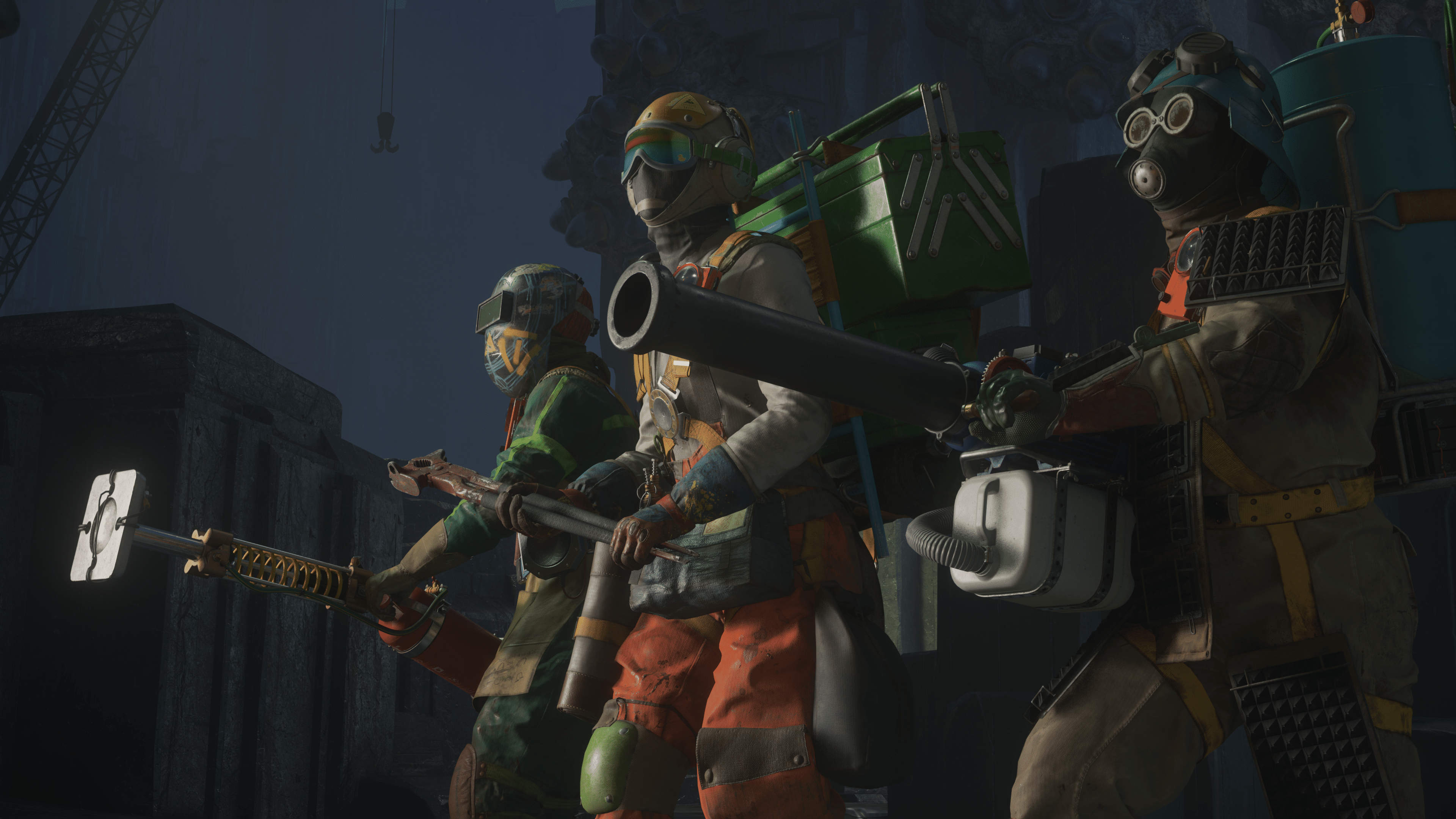
It will be very interesting to see how the public reacts to FBC: Firebreak when it launches next month, but from what I’ve played, I can confidently say Remedy is in a prime position to deliver something rather unexpected. FBC: Firebreak may look like just another co-op shooter on the surface, but once you get your hands on it, you realize it’s unmistakably a Remedy game through and through—strange, unsettling, atmospheric, and utterly committed to its world.
Sure, it’s not without flaws, and how it handles ammo and pick-ups could seriously impact the long-term fun if left unchecked. But the core experience? It’s solid, it’s exciting, and it’s pure fun. For a studio known for their single-player games, Remedy has taken a risk by stepping outside their comfort zone, and while there’s still work to do, they’ve managed to bring their identity along for the ride. If they can fine-tune the rough edges before launch, FBC: Firebreak might just end up being one of the year’s most pleasantly surprising co-op experiences.
FBC: Firebreak releases on June 17 on PC, PS5, and Xbox Series X|S. Those subscribed to either Xbox Game Pass Ultimate or PlayStation Plus (Extra and Premium) can play on day one as part of their subscription.
This website contains affiliate links. If you click a link and make a purchase, we may earn a commission at no additional cost to you. This helps support our work. Learn more on our affiliate page.